If you have ever wondered how fresh salmon from one continent ends up on a plate on another, or how frozen meat crosses an ocean without spoiling, the answer is reefer cargo. It is one of the most demanding and most important categories in international shipping, and understanding it is the first step for any company that trades in perishable goods.
This guide explains what reefer cargo is, how it works, and why it requires a level of care that ordinary freight does not.
What “reefer” means in shipping
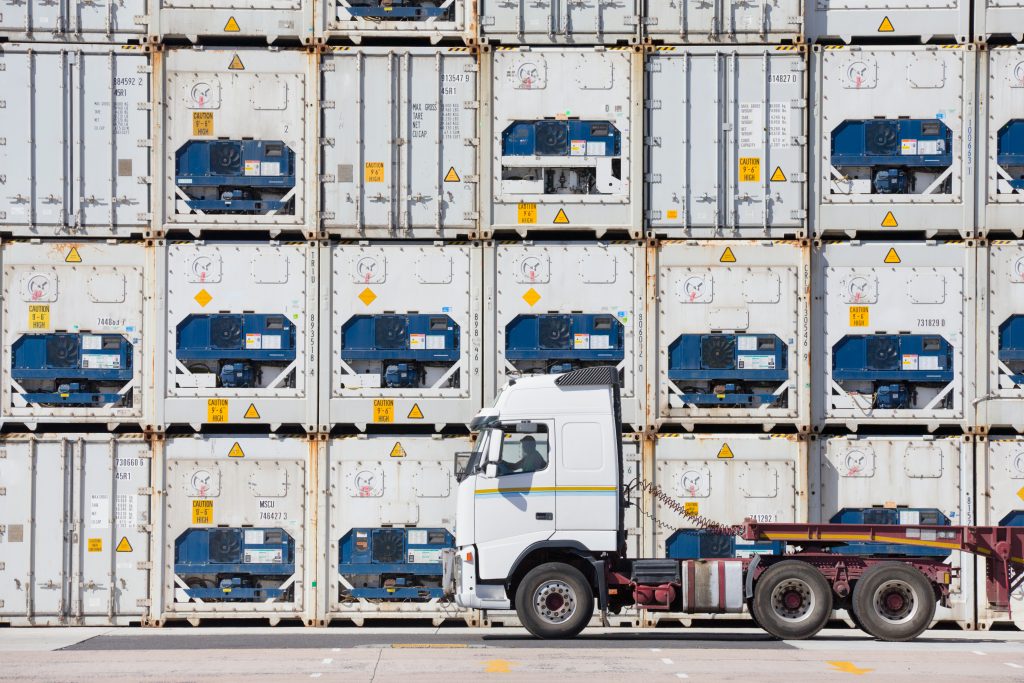
“Reefer” is the industry shorthand for refrigerated cargo, and for the refrigerated containers that carry it. Unlike a standard dry container, which is essentially a sealed steel box, a reefer container is a climate-controlled unit that maintains a precise temperature from origin to destination.
The purpose is simple to state and hard to execute: keep the cargo within a strict temperature range for the entire journey, no matter how long the transit or how many times the container changes hands. That range might be deep frozen for some products or gently chilled for others, but in every case the temperature cannot drift outside the limits the product tolerates.
How a refrigerated container actually works
A reefer container is more machine than box. Three elements make it function.
The setpoint. This is the target temperature programmed for the cargo. Frozen meat, fresh fruit, and pharmaceuticals each have different setpoints, and getting it right is the foundation of the whole operation.
Airflow. A reefer does not simply cool the air; it circulates it. Cold air moves through channels in the floor and around the cargo so that every part of the load stays at the same temperature. This is why proper loading matters. Cargo packed incorrectly can block airflow and create warm spots.
Power. A reefer container needs a constant power supply to run its cooling unit. On a ship it plugs into the vessel’s power system. At a port it plugs into the terminal. During truck transport it runs on a generator. The moment a reefer loses power, the clock starts ticking against the cargo inside.
That dependence on continuous power is one of the defining vulnerabilities of reefer shipping, and it explains why monitoring matters so much.
What travels as reefer cargo Reefer containers carry the goods that the world eats and depends on. The most common categories include:
- Meat and poultry, chilled or frozen
- Fruit and vegetables
- Fish and seafood
- Dairy products
- Processed and prepared foods
- Pharmaceuticals and certain chemicals
What these products share is intolerance for temperature change. A few hours outside the acceptable range can turn a full container of premium product into a total loss.
The cold chain: why every link matters
Reefer shipping is one link in a larger system called the cold chain. The cold chain is the unbroken sequence of refrigerated handling that a perishable product passes through, from the moment it is produced to the moment it reaches the end user.
The key word is unbroken. The cold chain is only as strong as its weakest point. A product can be perfectly refrigerated at origin, perfectly refrigerated on the vessel, and perfectly refrigerated at destination, and still be ruined if it sat unplugged for a few hours during a transfer between the two. This is why professionals think about reefer not as a single shipment but as a continuous chain of responsibility.
Why reefer cargo demands specialized handling
Everything above adds up to a simple conclusion. Reefer cargo does not tolerate the improvisation that ordinary freight sometimes survives. The margin for error is thin, the value of the cargo is high, and the consequences of a mistake are immediate and expensive.
That is why companies that ship perishables cannot treat refrigerated logistics as an afterthought. The temperature control, the monitoring, the documentation, and the coordination between everyone who touches the container all have to work together. When they do, reefer shipping is remarkably reliable. When they do not, the losses are severe.
Understanding what reefer cargo is and how it works is the foundation. The next step is knowing where these operations tend to go wrong, so you can recognize the warning signs before they cost you a load.
Want to know where refrigerated shipments actually fail? Our next guide breaks down the most common reefer cargo problems and what causes each one.