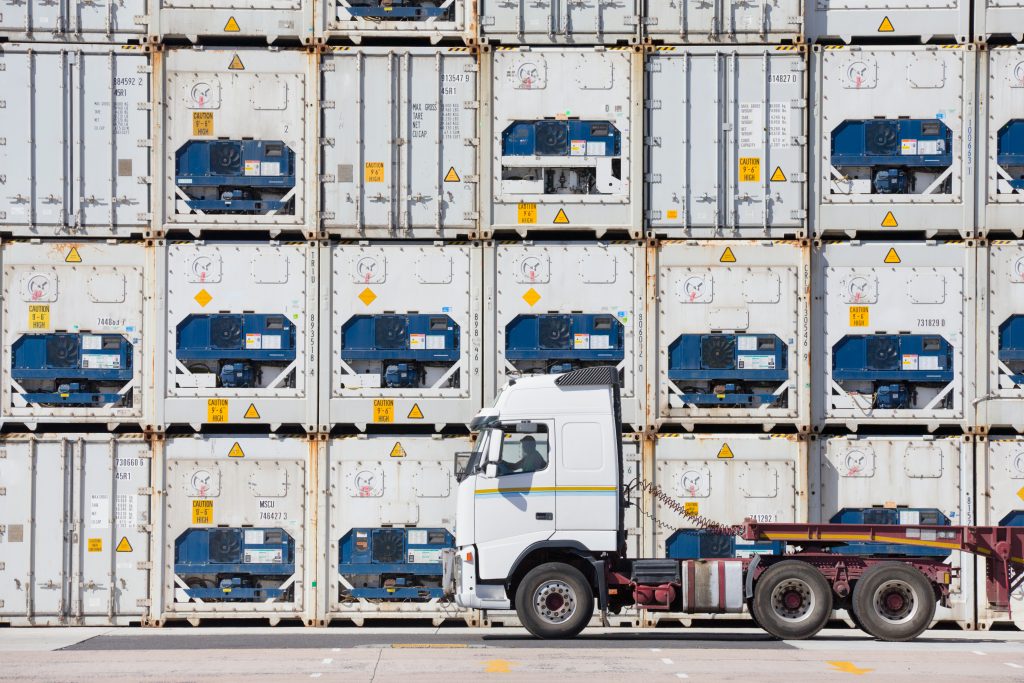
In refrigerated logistics, paperwork can be as dangerous as temperature. A shipment can be loaded perfectly, monitored perfectly, and shipped on schedule, and still end up stuck at the port because of a single documentation error. And for reefer cargo, a delay at the port is never just a delay. It is a direct threat to the product inside the container.
This is why documentation deserves the same attention as temperature control. This checklist covers what refrigerated imports require and how to keep the paperwork from becoming the weakest link in your cold chain.
Why documentation is critical specifically for reefer
For dry cargo, a documentation problem means a delay. For reefer cargo, that same delay compounds. While the paperwork gets sorted out, the container sits in a yard, accruing storage and demurrage charges, and the product edges closer to the limits of its shelf life. A hold that a dry shipment would shrug off can turn a refrigerated shipment into a loss.
The time sensitivity of perishable goods raises the stakes on every document. Getting the paperwork right is not administrative housekeeping. It is cargo protection.
The core documents every reefer import needs
While requirements vary by product and route, most refrigerated imports depend on a common set of documents. Each one has to be accurate and consistent with the others.
Commercial invoice. The foundation of the transaction, stating the goods, their value, and the terms of sale. Errors here ripple into tax calculation and customs review.
Packing list. Details what is physically in the container. Inconsistencies between the packing list and the invoice are a common trigger for inspection.
Bill of lading. The transport document that serves as the contract of carriage and, often, title to the goods. It must match the rest of the documentation exactly.
Import license, where required. Certain products need a license before they can enter the country. Discovering this requirement after shipment is a costly mistake.
Sanitary and health certificates
This is where reefer documentation becomes more complex than ordinary freight. Because so much refrigerated cargo consists of food and products of animal origin, sanitary control is central.
Products of animal origin, food, and related goods typically require sanitary certification and the involvement of the relevant health and agricultural authorities. In many cases, the product itself must be registered or approved before import. These requirements are not obstacles to work around; they are conditions to plan for. The time to identify them is during planning, well before the goods are shipped, not when the container is already at the port.
How a single error causes retention
It is worth being concrete about how failures happen, because they are rarely dramatic. A value that does not match between two documents. A description that is too vague. A missing certificate. A classification that does not fit the product. Any one of these can flag a shipment for inspection or retention.
Once a shipment is held, the shipper loses control of the timeline. Customs works at its own pace, storage charges accrue daily, and for reefer cargo the product itself is on the line. The cost of a documentation error is almost always far higher than the cost of getting it right the first time.
How specialized document management prevents delays
The way to protect a refrigerated shipment from documentation risk is to treat the paperwork as a managed process, not a last-minute task. That means analyzing regulatory and documentary requirements before the goods ship, checking every document for consistency, and ensuring that sanitary and licensing requirements are satisfied in advance.
This is one of the clearest areas where a specialized partner earns its value. A logistics operation with dedicated attention to reefer documentation catches the inconsistencies that cause holds before the shipment ever leaves origin. Instead of reacting to problems at the port, the operation prevents them upstream, where they are cheap to fix. For an importer moving time-sensitive perishables, that difference is the difference between a shipment that flows and one that stalls.
Documentation is not the exciting part of reefer logistics, but it is one of the most decisive. Handle it well and it disappears into the background. Handle it poorly and it can undo an otherwise flawless operation.
Handling reefer documentation in-house is where many operations stall. See what to look for when choosing a partner who manages this end to end.